
United States News
See other United States News Articles
Title: The US Federal Government Finally Admits the War on Drugs is a Failure
Source:
Activist Post
URL Source: http://www.activistpost.com/2015/12 ... war-on-drugs-is-a-failure.html
Published: Dec 17, 2015
Author: Dylan Charles
Post Date: 2015-12-18 09:50:34 by Deckard
Keywords: None
Views: 1112
Comments: 15
The war on drugs officially kicked off in 1971 when president Richard Nixon addressed the nation in a press conference explaining how the recent passage of the Comprehensive Drug Abuse Prevention and Control Act of 1970 would provide the legal framework and material support for a new kind of war, the war on drugs. We must wage what I have called total war against public enemy number one in the United States, the problem of dangerous drugs. –Richard Nixon, 1972 His address spoke of the need for a coordinated federal response that addressed both the demand side, and the supply side of the issue, noting that although America had the highest rate of heroin addicts in the world, the drug was not grown or sourced in the United States. The door was thereby opened for the destructive interventionist policies that have since greatly affected mostly Latin American nations. Fast forward forty plus years and for anyone who is not making a profit in the global drug trade, the war on drugs looks like one of the greatest human tragedies of all time. Billions of dollars spent, hundreds of thousands of deaths, millions of people incarcerated, countless lives and families shattered, higher than ever rates of addiction, billions in foreign military aid spent, and the availability of drugs is higher than ever before. During his conversation with CBS’ Scott Pelley, Botticelli first remarked that he didn’t like the title ‘Drug Czar,’ because the title had become antiquated and linked to the failures of the policies of strict prohibition and open war that are closely associated with the US’ decades long war on drugs. From the interview: Michael Botticelli: It’s actually a title that I don’t like. Scott Pelley: Why? Michael Botticelli: Because I think it connotes this old “war on drugs” focus to the work that we do. It portrays that we are clinging to kind of failed policies and failed practices in the past. Scott Pelley: Are you saying that the way we have waged the war on drugs for more than 40 years has been all wrong? Michael Botticelli: It has been all wrong. Blunt force didn’t knock out the drug epidemic. 21 million Americans are addicted to drugs or alcohol. And half of all federal inmates are in for drug crimes. Michael Botticelli: We can’t arrest and incarcerate addiction out of people. Not only do I think it’s really inhumane, but it’s ineffective and it cost us billions upon billions of dollars to keep doing this. Scott Pelley: So what have we learned? Michael Botticelli: We’ve learned addiction is a brain disease. This is not a moral failing. This is not about bad people who are choosing to continue to use drugs because they lack willpower. You know, we don’t expect people with cancer just to stop having cancer. Scott Pelley: Aren’t they doing it to themselves? Isn’t a heroin addict making that choice? Michael Botticelli: Of course not. You know, the hallmark of addiction is that it changes your brain chemistry. It actually affects that part of your brain that’s responsible for judgment. Here is a preview of the 60 Minutes interview: Botticelli devoted considerable time in this interview discussing the growing social epidemic of opiate abuse, noting that heroin is now a drug that people turn to after becoming addicted to prescription pain medications. While telling of his personal journey of recovery from alcoholism he remarked that it is the legal drugs, alcohol and tobacco that do the most damage in our society, furthermore voicing his disapproval of cannabis legalization. Michael Botticelli: You know, even kind of feeling that moment of hesitation about saying that I’m in recovery and not about being a gay man shows to me that we still have more work to do to really de-stigmatize addiction. But it’s addiction to legal drugs, alcohol and tobacco that kill the most Americans, over half a million a year. Botticelli does not believe in adding another drug to that cocktail with the legalization of marijuana. Scott Pelley: You’re not a fan? Michael Botticelli: I’m not a fan. What we’ve seen quite honestly is a dramatic decrease in the perception of risk among youth around occasional marijuana use. And they are getting the message that because it’s legal, that it is, there’s no harm associated with it. So, we know that about one in nine people who use marijuana become addicted to marijuana. It’s been associated with poor academic performance, in exacerbating mental health conditions linked to lower IQ. Now that the US federal government has publicly admitted that the war on drugs is indeed a failure, it remains to be seen what changes in policy will be made. For a full transcript of Botticelli’s interview, visit CBS News, here, but for a real, hardcore look at the truth of the war on drugs, watch this important film by Kevin Booth, American Drug War:The Last White Hope: 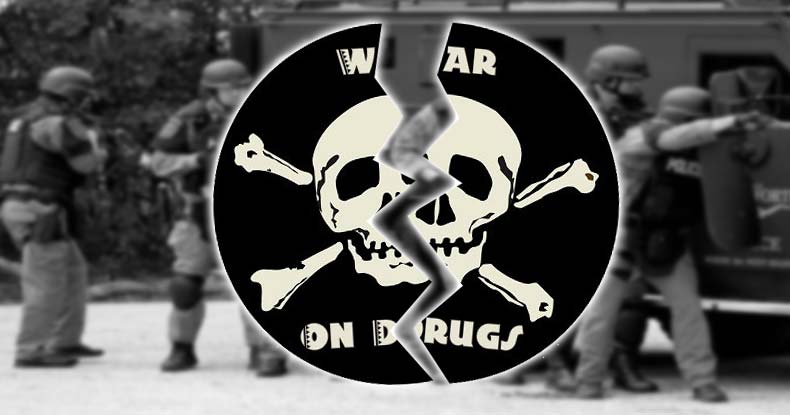
 Now, the nation’s newest ‘Drug Czar,’ and recovering alcoholic, Michael Botticelli, is going public with the message that the war on drugs is a failure and that it cannot continue as is. He says it’s time to change our approach to how we treat addiction, and in an appearance on the CBS program 60 Minutes which aired in December of 2015 entitled A New Direction on Drugs, president Obama’s recently appointed drug boss is making an attempt to change the tone of this colossal disaster.
  Overall the message from the new Drug Czar appears to be a reflection of his personal experiences with the demons of addiction, but it lacks any mention of the systemic corruption and problems that make the war on drugs much more sinister than just a fight against addiction. Drug running is big business, and there are many elements within our own government that facilitate this trade and profit immensely from it, including but certainly not limited to the ever-growing private industrial prison complex.
Post Comment Private Reply Ignore Thread
Top • Page Up • Full Thread • Page Down • Bottom/Latest
Begin Trace Mode for Comment # 6.
#2. To: Deckard (#0)
BWAHAHAHAHA! Poor Deckard. Here he thought he finally found an article that called for the legalization of his pet drug.
Still delusional you are. I advocate ending the war on ALL drugs. Personally, I don't use any drugs, rarely even alcohol. Oh wait - I drink caffeinated energy drinks. In misterwhite Bizzaro World, those are equal to heroin. It's a freedom thing for me paulsen. fed.gov does not have the right to tell free American adults what they may or may not ingest. If you weren't such a statist tool, you'd see the logic.
#8. To: Deckard (#6)
In our representative republic the fed.gov is "the people", and we have every right to decide how we will live together. If we want all drugs to be legal, then they will be.
Especially the date rape drugs, huh?
Top • Page Up • Full Thread • Page Down • Bottom/LatestBut it’s addiction to legal drugs, alcohol and tobacco that kill the most Americans, over half a million a year. Botticelli does not believe in adding another drug to that cocktail with the legalization of marijuana.
#6. To: misterwhite (#2)
Here he thought he finally found an article that called for the legalization of his pet drug.
Replies to Comment # 6. "fed.gov does not have the right to tell free American adults what they may or may not ingest."
#11. To: Deckard (#6)
I advocate ending the war on ALL drugs.
End Trace Mode for Comment # 6.
[Home] [Headlines] [Latest Articles] [Latest Comments] [Post] [Mail] [Sign-in] [Setup] [Help] [Register]